
electronic assembly near me resist corrosion
Electronic assemblies near you are vulnerable to corrosion due to exposure to moisture, humidity, salt, and other environmental factors. Corrosion can degrade the performance and reliability of electronic components, leading to malfunctions, short circuits, and premature failure. Therefore, implementing effective corrosion resistance measures is essential to ensure the long-term durability and functionality of electronic assemblies.
One common method used to resist corrosion in electronic assembly near me is the application of protective coatings. These coatings, such as conformal coatings and encapsulants, create a barrier between the electronic components and the surrounding environment, shielding them from moisture, dust, chemicals, and other corrosive agents. Conformal coatings are thin layers of material applied directly onto the surface of the circuit board, while encapsulants are poured or molded around the entire assembly to provide complete protection.
Another approach to corrosion resistance is the use of corrosion-resistant materials and finishes. Components and connectors made from materials such as gold, silver, nickel, and stainless steel are less susceptible to corrosion compared to standard materials like copper or aluminum. Additionally, surface finishes such as gold plating, tin plating, and immersion silver can provide an extra layer of protection against corrosion by forming a barrier between the metal surface and the surrounding environment.
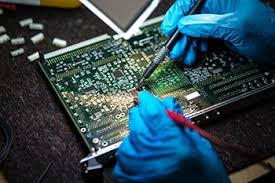
How do electronic assembly near me resist corrosion?
Proper design and layout of electronic assemblies can also help resist corrosion. By minimizing the exposure of sensitive components to moisture and contaminants, designers can reduce the risk of corrosion and improve the reliability of the assembly. Techniques such as strategic component placement, routing of traces and vias, and the use of protective enclosures or housings can all contribute to corrosion resistance.
Furthermore, environmental testing and validation are essential steps in ensuring the corrosion resistance of electronic assemblies. Accelerated aging tests, salt spray tests, humidity tests, and thermal cycling tests are commonly used to assess the performance of assemblies under various environmental conditions. By subjecting assemblies to rigorous testing, manufacturers can identify potential weaknesses and make necessary improvements to enhance corrosion resistance.
In addition to these proactive measures, proper storage and handling of electronic assemblies are crucial for preventing corrosion. Components should be stored in a controlled environment with stable temperature and humidity levels to minimize exposure to moisture and contaminants. Handling procedures should also be followed to prevent damage to sensitive components and surfaces, which can compromise corrosion resistance.
Regular maintenance and inspection of electronic assemblies can help detect and address corrosion issues before they escalate. Visual inspections, electrical testing, and thermal imaging are some of the techniques used to identify signs of corrosion, such as discoloration, oxidation, or corrosion product buildup. Prompt remediation, such as cleaning, reapplication of protective coatings, or replacement of corroded components, can help prolong the life of the assembly and prevent further damage.
In conclusion, electronic assemblies near you can resist corrosion through a combination of protective coatings, corrosion-resistant materials and finishes, proper design and layout, environmental testing, and maintenance procedures. By implementing these corrosion resistance measures, manufacturers can ensure the reliability and durability of electronic assemblies in a wide range of operating environments.


